What Is Shimoda's Black Ships History? Perry, the Shimoda Treaty and the Temples Where It Happened
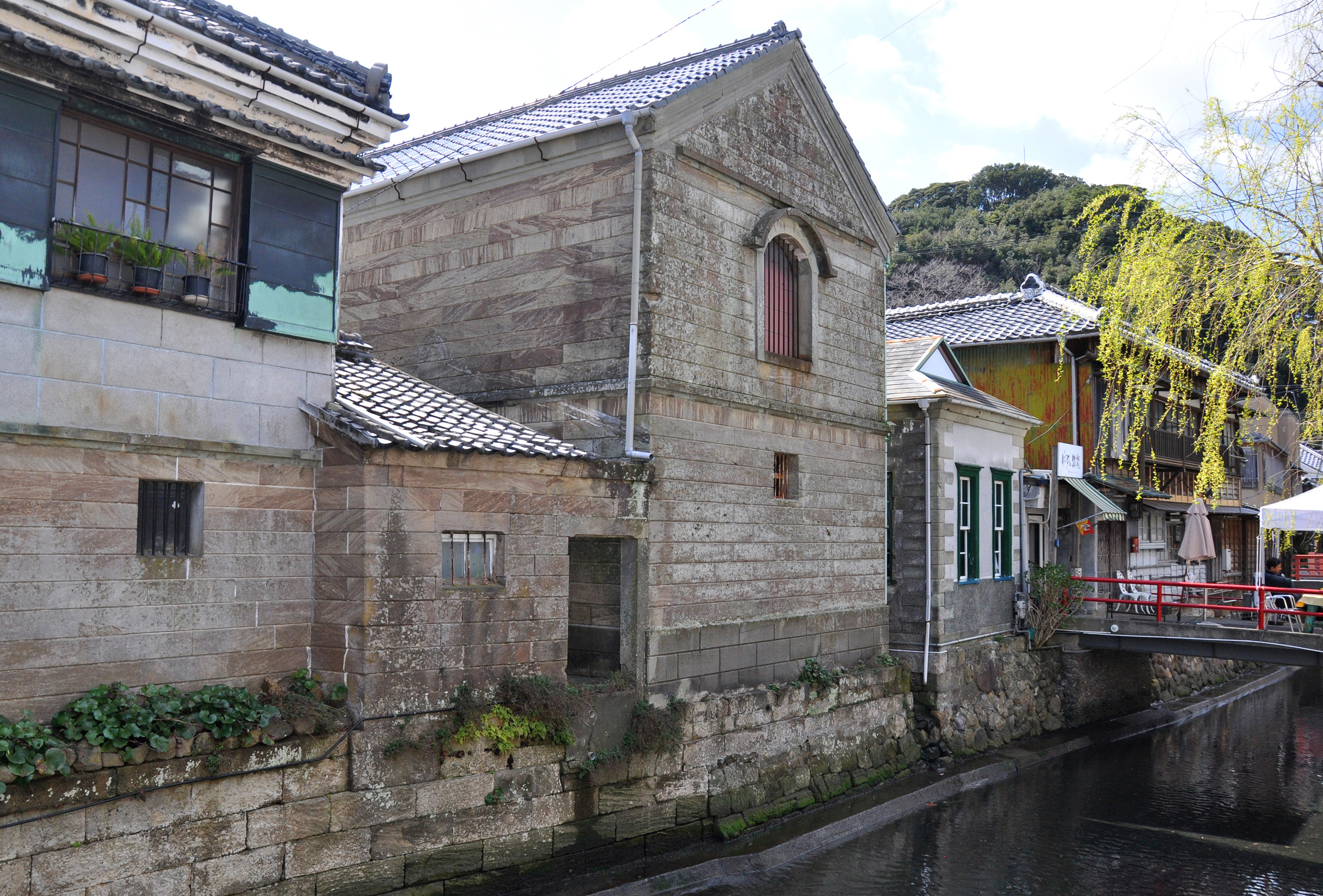
This guide is for visitors who want to understand why Shimoda calls itself a town of Japan's "opening". It explains what happened when Commodore Perry's Black Ships came in 1854, and which temples and streets you can still visit.
We used history pages from Shimoda City, the Shimoda Tourist Association and the Izu Peninsula Geopark, all read on 2026-10-03. The city gives most dates in the Japanese calendar of the time, with the Western year in brackets. We keep its month and day numbers rather than converting them, so "3rd month" below is not the same as March. Opening details and events can change.
Why Shimoda: the 1854 treaty
Shimoda City's history page sets out the background:
- In the 6th month of Kaei 6 (1853), Commodore Matthew Perry of the US East India Squadron came to Uraga with four warships. He delivered a letter from the US President asking Japan to open.
- In the 1st month of Kaei 7 (1854), he returned with nine warships.
- On the 3rd day of the 3rd month that year, the Treaty of Peace and Amity between Japan and the United States was signed. It is also called the Treaty of Kanagawa.
The treaty had 12 articles. It opened two ports, Shimoda at once and Hakodate after one year. It also allowed a US consul to live in Shimoda. The tourist association describes Shimoda as Japan's first opened port.
The Black Ships arrive in Shimoda
Perry's squadron sailed into Shimoda one ship at a time, from the 18th to the 21st day of the 3rd month of 1854. Only seven of the nine ships came. The Susquehanna had gone to China and the Saratoga had sailed home with the treaty.
The city lists the seven as the Southampton, Supply, Lexington, Vandalia, Powhatan, Mississippi and Macedonian. Perry was on board the steamship Powhatan.
On the 24th day of the 3rd month, the Americans were given a reception at Ryosenji temple while crowds looked on. The squadron stayed about 70 days. About a month of that was spent surveying Hakodate.
A monument stands where Perry's fleet first came ashore, at Hanaguro. The tourist association says it is about 20 minutes on foot from Izukyu-Shimoda Station.
Ryosenji and the Shimoda Treaty
When Perry came back from Hakodate in the 5th month of 1854, talks on extra rules for the treaty began at Ryosenji. The city tells the story like this:
- On the 13th day of the 5th month, about 300 sailors with fixed bayonets marched to Ryosenji. Four cannons led the way and a band played.
- The treaty was signed in the temple's main hall on the 22nd day. The signed copies were exchanged on the 25th.
- It is said the Japanese side sat on piled-up tatami mats. This put their eyes at the same level as the Americans in chairs.
This 13-article agreement is known as the Shimoda Treaty. It set landing places for American sailors and a depot for supplies. It named Ryosenji and Gyokusenji as rest places for foreigners and Gyokusenji as the place to bury the dead. Perry left Shimoda on the 1st day of the 6th month of 1854.
Shimoda City's historic town plan names Ryosenji and Gyokusenji as nationally designated historic sites. Ryosenji is about 10 minutes on foot from Izukyu-Shimoda Station. The tourist association says visiting the grounds is free.
Perry Road and the Izu stone houses
Perry Road is the street Perry's party marched along to Ryosenji. It follows the Hiranami river. The stone paving runs for about 500 metres, with stone railings and gas lamps.
Many houses here have namako walls, made of flat tiles set in raised white plaster. Others are built of Izu stone. The city says most date from the late Edo period to the Meiji and Taisho eras. The road won the top prize at the 7th Shizuoka Prefecture Urban Landscape Awards in fiscal 1994.
The Izu Peninsula Geopark explains the stone. Izu stone comes in two kinds. Hard stone is lava from volcanoes. Soft stone is tuff, a rock made of volcanic ash and pumice. Southern Izu has many such layers from undersea volcanoes, so it was the best source of soft stone. The street is about 15 minutes on foot from the station.
Gyokusenji and Townsend Harris
The next chapter belongs to Townsend Harris. The city's page gives these dates:
- 21st day of the 7th month of Ansei 3 (1856): Harris arrived in Shimoda as US Consul General, on the San Jacinto.
- 5th day of the 8th month: he moved into Gyokusenji in Kakisaki. It became Japan's first US consulate. The US flag went up the next day.
- 26th day of the 5th month of Ansei 4 (1857): Harris and the Shimoda magistrate signed the nine-article Shimoda Convention.
- 7th day of the 10th month of 1857: Harris left Shimoda for Edo, crossing Amagi and the Hakone checkpoint.
- 19th day of the 6th month of Ansei 5 (1858): the Treaty of Amity and Commerce was signed on board the Powhatan.
- 5th month of Ansei 6 (1859): Yokohama opened, and the Gyokusenji consulate closed. Shimoda port closed in the 12th month.
The tourist association says Gyokusenji has a cemetery for American and Russian sailors from the Black Ships era. To get there, take the Tokai Bus from stand 10 at Izukyu-Shimoda Station towards Suzaki or Cape Tsumekizaki. Get off at Kakizaki Jinja Mae and walk about 3 minutes.
Russia, Chorakuji and the tsunami of 1854
Russia came to Shimoda as well. The city's timeline records these events:
- 15th day of the 10th month of 1854: Vice Admiral Putyatin arrived on the ship Diana.
- 3rd day of the 11th month: the first Japan-Russia talks took place at Fukusenji temple.
- 4th day of the 11th month: a great earthquake and tsunami left Shimoda in ruins, and the Diana was badly damaged.
- 21st day of the 12th month: the Japan-Russia Treaty of Amity, with 9 articles and 4 extra articles, was signed at Chorakuji.
- 3rd month of 1855: Putyatin went home on the ship Heda.
The city says Chorakuji, where the Japan-Russia treaty was signed, is in the Perry Road area. The geopark notes that you can still see traces of the 1854 tsunami and memorial stones in the town.
The Black Ships Festival
The city's timeline says the first Black Ships Festival (Kurofune Matsuri) was held in April 1934, for the 80th anniversary of the port's opening. The tourist association says it honours the people who worked to open the port, and supports world peace and goodwill.
The 87th festival ran from 15 to 17 May 2026. The city's May 2026 newsletter listed its programme. It included a memorial service for the Black Ships sailors at Gyokusenji and concerts by the US Navy 7th Fleet Band. There was also a ceremony in Shimoda Park, a parade, a re-enactment of the treaty signing at Ryosenji and fireworks over Shimoda Port.
The pages we read did not give dates for 2027. Check the city or the tourist association nearer the time.
What we could not verify, and therefore left out
- Western calendar dates for each event. The city gives Japanese calendar dates, and we did not convert them.
- Opening hours and fees for museums and memorial halls at the temples.
- Which graves at Gyokusenji belong to which sailors.
- Dates and programme for the 2027 Black Ships Festival.
Related guides
- How do you get to Shimoda from Tokyo? Trains via Atami and Ito, and buses from the station
- How do you stay safe from tsunamis on Shimoda's beaches? Warnings, maps and emergency numbers
Sources
All URLs retrieved 2026-10-03.
- ペリー黒船艦隊来航と日本開国 (Shimoda City) — (1853 and 1854 voyages; treaty terms; the seven ships; Ryosenji reception and Shimoda Treaty)
- 下田の歴史年表 (Shimoda City) — (Putyatin, the 1854 earthquake and tsunami, Chorakuji treaty; Harris dates; first Black Ships Festival 1934)
- 日本における初代米国総領事ハリス (Shimoda City) — (Harris at Gyokusenji; Shimoda Convention; 1858 treaty; closing of the consulate)
- ペリーロード (Shimoda City) — (Perry Road route, buildings, paving length, landscape award)
- 下田市歴史的風致維持向上計画 概要版 (Shimoda City) — (Ryosenji and Gyokusenji as nationally designated historic sites)
- 広報しもだ 2026年5月号 2–3頁 (Shimoda City) — (87th Black Ships Festival dates and programme)
- イベント (Shimoda Tourist Association) — (purpose of the Black Ships Festival; 2026 dates)
- 伊豆下田とは (Shimoda Tourist Association) — (Shimoda as Japan's first opened port)
- Ryosen Temple (Shimoda Tourist Association) — (walking time; free to visit)
- Gyokusen Temple (Shimoda Tourist Association) — (cemetery for American and Russian sailors; bus access)
- Monument of Perry landing (Shimoda Tourist Association) — (landing monument; walking time)
- 下田市街 (Izu Peninsula Geopark) — (Izu stone types; traces of the 1854 tsunami)
- 伊豆石のある風景(下田市街) (Izu Peninsula Geopark) — (header photo and its rights holder)
Header photo: “Izu stone buildings in central Shimoda” (Utsukushii Izu Sozo Center / Izu Peninsula Geopark), https://izugeopark.org/gallery/shimoda-street/. Used under CC BY 4.0.